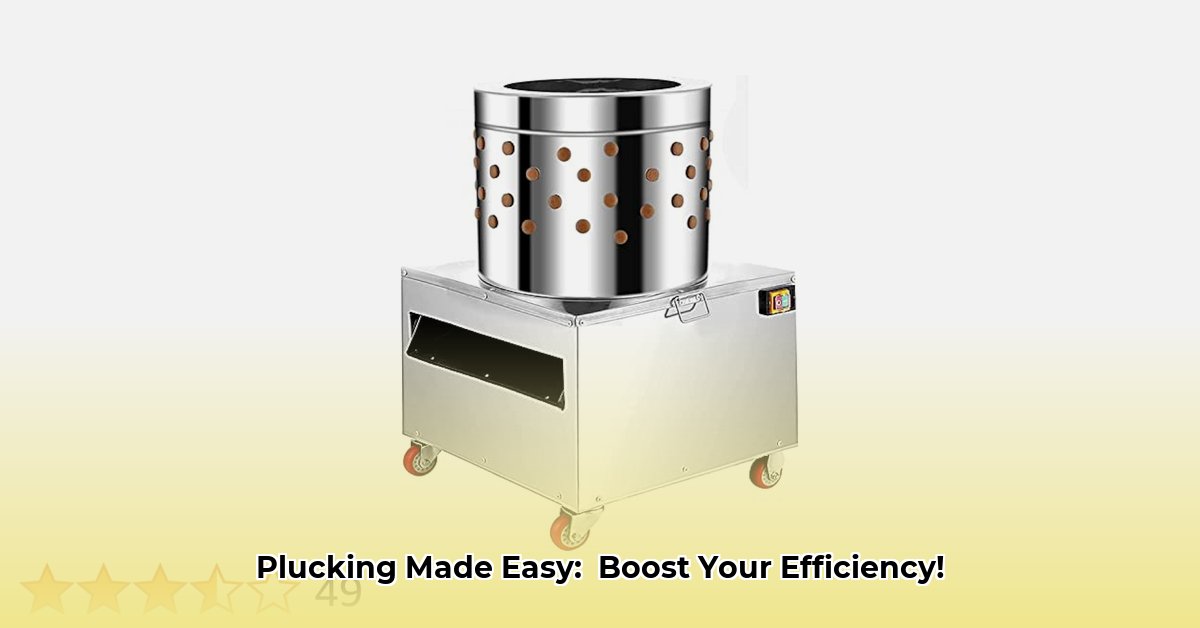
Are you tired of spending hours painstakingly plucking your chickens? A chicken plucker from Tractor Supply can significantly boost your efficiency and save you valuable time. This comprehensive guide covers choosing the right machine, using it safely and effectively, and maintaining it for years to come. Whether you're a seasoned poultry farmer or just starting out, this guide will help you streamline your poultry processing. For even more helpful tips, check out these chicken plucker resources.
Choosing the Right Tractor Supply Chicken Plucker
Selecting the perfect chicken plucker depends on several key factors. First, consider your flock size; a small backyard flock needs a different plucker than a larger operation. Tractor Supply offers various models, with tub-style pluckers ideal for smaller flocks and larger, commercial-grade units for high-volume processing.
Size and Capacity: Matching Machine to Flock
This is crucial! Don't overspend on a large plucker if you only have a few chickens. Match capacity to flock size. A small plucker might process 10-20 birds per hour, while a larger one can handle 20-40, or even more for commercial models. Choosing the right size ensures efficient use and avoids unnecessary expense.
Material and Durability: Stainless Steel for Longevity
Stainless steel is superior. It's durable, easy to clean (vital for hygiene), and resists rust, ensuring a long lifespan. While plastic models might be cheaper initially, they are less durable and harder to sanitize thoroughly. A durable plucker is a worthwhile investment.
Motor Power: Efficiency and Speed
Motor power directly impacts plucking speed and efficiency. A more powerful motor handles larger birds and flocks more easily, making the process quicker and less strenuous. A powerful engine is well worth the cost savings of time.
Budget: Setting Realistic Expectations
Tractor Supply offers pluckers across a wide price range. Establish a clear budget beforehand to avoid impulse purchases and find a plucker within your financial means. Balancing cost and long-term value is important.
User Reviews: Learning from Experience
Before committing, read user reviews on Tractor Supply's website and other online retailers. Consider both positive and negative feedback for a balanced perspective. Real-world experiences can help you make an informed decision. Have you considered reading reviews before making a purchase?
Here's a comparison table to aid your decision:
| Model Type | Approximate Price Range (USD) | Birds/Hour (Typical) | Pros | Cons |
|---|---|---|---|---|
| Small Tub Plucker | $100 - $300 | 10-20 | Affordable, easy to use, compact storage | Slower processing, limited capacity for larger flocks |
| Medium Tub Plucker | $300 - $600 | 20-40 | Increased capacity, faster processing | More expensive, takes up more storage space |
| Commercial-Grade Plucker | $600+ | 40+ | High volume, very efficient, durable | High initial cost, requires significant storage space |
Step-by-Step Plucking Guide: From Scalding to Sparkling Clean
This guide ensures efficient and safe plucking.
1. Scalding: Proper scalding loosens feathers. Ideal temperature and time depend on bird size and type. Research appropriate methods for your poultry. Improper scalding makes plucking difficult.
2. Pre-Plucking Rinse: Rinse the bird thoroughly under cool water to remove loose debris. This prevents contamination.
3. Plucking Process: Load birds according to your plucker's instructions. Let the machine do the work; intervention is usually unnecessary unless a problem arises.
4. Post-Plucking Clean-Up: Immediately clean and sanitize your plucker. Stainless steel is easy to clean, but always refer to the manufacturer's instructions. Prompt cleaning prevents bacterial growth.
5. Responsible Feather Disposal: Compost feathers if possible. This is environmentally friendly. If composting isn't an option, check local regulations for proper disposal.
Maintenance and Care: Extending Your Plucker's Lifespan
Regular maintenance is crucial. Clean thoroughly after each use. Lubricate moving parts as instructed by the manufacturer. Address small problems promptly to avoid larger, more expensive repairs. Preventative maintenance saves money and frustration in the long run. How often do you plan to maintain your plucker?
Alternatives and Considerations: Other Plucking Methods
Dry plucking (hand-plucking) is only practical for tiny flocks. It's very time-consuming but preferred by some for its traditional approach.
Additional Resources
Tractor Supply's website is a good starting point for exploring chicken pluckers. Their staff at your local store can also answer questions. Remember to utilize all available resources before making your decision.